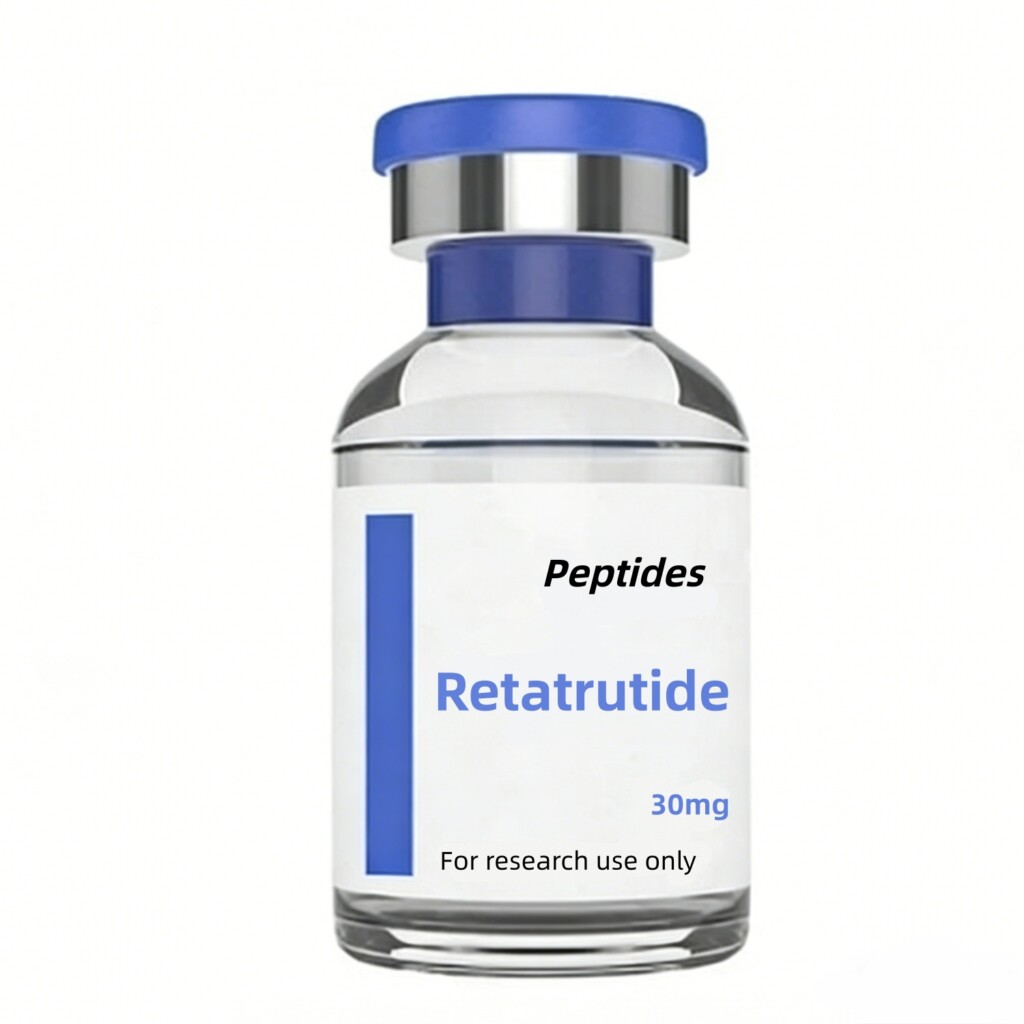
RT operates through a unique mechanism as a triple agonist, targeting the GIP, GLP-1, and GCG receptors, with a strong emphasis on GIP receptor activation. This receptor interaction leads to a comprehensive approach to metabolic regulation, significantly impacting both glycemic control and weight loss. Below is an overview of the underlying mechanisms:
RT’s primary mechanism involves potent activation of the GIP receptor, which plays a vital role in appetite regulation by directly affecting the brain’s satiety centers. This reduces hunger, cravings, and overall food intake.
Through GLP-1 receptor activation, rt supports glycemic regulation and enhances satiety. GLP-1 also slows down gastrointestinal motility and delays gastric emptying, leading to increased feelings of fullness after meals.
Activation of the GCG receptor by rt is believed to increase energy expenditure and promote fat oxidation, largely through metabolic actions in the liver. GCG receptor stimulation encourages fat breakdown and elevates metabolic rates. Additionally, it induces “beiging” of white fat, converting it into beige fat with thermogenic properties similar to brown fat, thereby boosting calorie burning and enhancing metabolism.
影响:
减肥
有助于降低血糖
减慢胃排空
改善新陈代谢
增肌
产品展示
客户反馈
工厂介绍
上海升升新材料有限公司是一家深耕生物多肽领域,专业从事多肽产品研发、生产、销售及全链条服务的国家高新技术企业。我们致力于以自主创新技术赋能健康美丽行业。核心定位与使命我们专注于核心生物多肽赛道,打造从原材料研发到最终用户应用的完整产业链,涵盖医药、功能食品及保健品、化妆品等多元化场景。Adhering to the philosophy of "Independent Technology, Quality First" and with the mission of "Making Biopeptides Benefit More People", we strive to promote "Chinese Peptides" to the global market.质量控制与市场布局我们严格执行全面的质量管理体系:从原材料采购、生产过程到产品检验的每一个环节都受到严格控制,确保产品的高质量和稳定性。全球市场布局:我们的产品销往多个国家和地区,赢得了全球客户的广泛认可和信任。坚持“质量第一、客户至上”的原则:以客户需求为中心,提供个性化产品定制和解决方案,满足多样化需求。如果您正在寻找可靠有效的解决方案来支持您的体重管理之旅,上海升尚新材料有限公司是您值得信赖的合作伙伴。请立即联系我们,详细了解我们的产品以及它们如何帮助您实现目标。